
Lighting transforms photography from ordinary snapshots into captivating visual stories. The difference between a flat, lifeless image and one that commands attention often comes down to a single element: how you illuminate your subject. Yet professional photographers face a daunting challenge when building their lighting arsenal. The market overflows with options—COB lights, LED panels, complete kits promising studio-quality results—each claiming superiority. This paralysis by choice costs time, money, and creative opportunities. The right lighting investment hinges on understanding several core criteria: the technology behind different light sources, how specific features match your shooting style, and which specifications genuinely matter for professional results. This guide cuts through the marketing noise to deliver a clear framework for selecting camera lights that will elevate your work. Whether you’re shooting portraits, products, or video content, you’ll gain the confidence to choose lighting tools that solve your specific creative challenges and deliver consistent, professional results across every project.
Understanding Core Lighting Technologies: From COB to High-CRI LED
The foundation of smart lighting choices begins with understanding what powers your tools. COB, or Chip-on-Board technology, represents a breakthrough in concentrated light output. Unlike traditional LEDs where multiple diodes create scattered points of light, COB mounts dozens of LED chips directly onto a single circuit board, creating one unified, powerful light source. This design delivers intense, focused illumination from a compact housing, making COB lights exceptional for situations demanding punch and precision. Their single-source nature also means they work beautifully with optical modifiers like fresnels and reflectors, giving you cinema-grade control over beam spread and intensity.
High-CRI LED lighting addresses a different but equally critical need: color fidelity. The Color Rendering Index measures how accurately a light source reveals true colors compared to natural sunlight. Standard LEDs often score between 70-80 CRI, which introduces color shifts that plague professional work—skin tones turn sickly, product colors misrepresent, and post-production becomes a corrective nightmare. High-CRI LEDs scoring 95 or above reproduce colors with scientific accuracy, ensuring what you capture matches what your client expects. Beyond COB and high-CRI options, the market offers LED panels for broad, soft coverage and fresnel fixtures for theatrical control. Each technology serves distinct purposes, but understanding COB’s power and high-CRI’s accuracy gives you the vocabulary to evaluate any lighting tool against professional standards.
Decoding Your Needs: Matching a Lighting Kit to Your Photography Style
Portrait and Studio Photography
Portrait work demands lighting that flatters rather than forensically exposes. Your subjects need soft, wrapping illumination that minimizes harsh shadows and smooths skin texture while maintaining dimension. A comprehensive film lighting kit built around adjustable sources gives you this versatility. Look for lights that accept large softboxes and umbrellas—these modifiers transform raw output into the gentle, diffused quality that makes eyes sparkle and complexions glow. The ideal portrait setup includes at least two adjustable heads for key and fill positions, plus a third for hair or background separation. Portability matters too; studio photographers benefit from lights with solid stands and barn doors, while those shooting on-location need compact options that break down quickly without sacrificing output quality.

Product and Commercial Photography
Product photography is sculpture with light—every angle, shadow, and highlight must serve the goal of revealing form and texture with absolute precision. COB lights excel here because their single-source design gives you scalpel-like control over exactly where illumination falls. When shooting reflective surfaces like jewelry or electronics, you need to eliminate stray light that creates distracting hotspots; COB units work seamlessly with snoots, grids, and barn doors to contain and shape the beam. Their high output also means you can stop down to f/11 or f/16 for maximum depth of field while keeping shutter speeds practical. For product work, start with one powerful COB as your key light, add a second for fill or rim lighting, and use reflectors to bounce controlled highlights into shadow areas. The focused nature of COB technology lets you build light gradually and deliberately, ensuring every product detail reads exactly as intended without compromise.
Video and Hybrid Shooters
Video introduces technical demands that still photography forgives. Flicker ruins footage, so your lights must operate at frequencies compatible with your camera’s frame rate—quality COB lights and high-CRI LEDs designed for video eliminate this concern entirely. Silent operation becomes non-negotiable when recording audio; fan noise from cheaper lights will contaminate your soundtrack. Adjustable color temperature is equally critical, allowing you to match ambient conditions or shift mood without gels. High-CRI LED panels rated above 95 ensure accurate color reproduction across extended takes, preventing the skin tone shifts and color casts that plague correction in post. Dimmability without flicker gives you precise exposure control as scenes evolve, maintaining consistent quality whether you’re shooting interviews, product demonstrations, or narrative content.
Key Specifications Guide: What to Look for in a Camera Light
CRI and TLCI: The Metrics of Color Truth
The Color Rendering Index operates on a 0-100 scale, with natural sunlight scoring 100. Professional work demands lights scoring 95 or higher—anything less introduces subtle color shifts that compound across a shoot. A 90 CRI light might seem close enough, but that five-point gap translates to noticeable inaccuracies in skin tones, fabric colors, and product finishes. For video shooters, TLCI (Television Lighting Consistency Index) matters equally; it measures how lights perform specifically for camera sensors rather than human eyes. High-CRI LED lights meeting both standards ensure what you see matches what you capture, eliminating the frustration of colors that looked perfect on set but shifted in post-production.
Output Power and Dimming Range
Raw power determines your creative ceiling. Studio photographers can rely on consistent output, but location work demands enough punch to overpower ambient light or fill large spaces. Look for lights offering at least 60 watts for portable work, 100-plus watts for studio versatility. Dimming capability proves equally vital—quality lights dim smoothly from 0-100% without introducing flicker or color shift. This range lets you finesse exposure precisely, adapting to changing conditions without repositioning lights or swapping modifiers. Cheap lights often flicker below 30% brightness or shift color temperature when dimmed, sabotaging the control you paid for.
Modularity and the Film Lighting Kit Advantage
A true film lighting kit grows with your skills and projects. The cornerstone of modularity is mount compatibility—Bowens mount has become the professional standard, giving you access to thousands of softboxes, beauty dishes, snoots, and grids from multiple manufacturers. Quality kits include essential accessories: sturdy stands that won’t topple mid-shoot, barn doors for beam shaping, and carrying cases that protect your investment between jobs. Scalability matters too; your first two-light kit should accept additional heads without requiring new modifiers or control systems. Avoid proprietary systems that lock you into one manufacturer’s ecosystem. The best investment is lighting that adapts as your creative demands evolve, not equipment that becomes obsolete when you outgrow its limitations.
Practical Setup: How to Use COB Lights for Professional Product Photography
Step 1: Planning Your Shot and Lighting Ratio
Before positioning a single light, visualize your final image. Determine whether your product needs dramatic contrast or even illumination. Establish your lighting ratio—the relationship between key and fill lights—by deciding how much shadow serves the product’s story. A 2:1 ratio creates gentle modeling, while 4:1 or higher produces bold, sculptural drama. Sketch your light positions on paper, noting which angles will reveal texture and which will create separation from the background. This planning prevents the costly trial-and-error that wastes time repositioning lights mid-shoot.
Step 2: Positioning Your COB Lights for Shape and Texture
Place your key COB light at a 45-degree angle to your product, slightly above camera height. This classic position creates dimension while maintaining detail in both highlights and shadows. For textured surfaces like leather or fabric, move the light further to the side—70 to 90 degrees—so illumination rakes across the surface, emphasizing every ridge and weave. Add a second COB behind and opposite your subject as a rim light, creating a bright edge that separates the product from its background. The focused beam of COB technology ensures light lands exactly where intended, preventing spill that flattens your carefully built dimension.
Step 3: Modifying the Light for Perfection
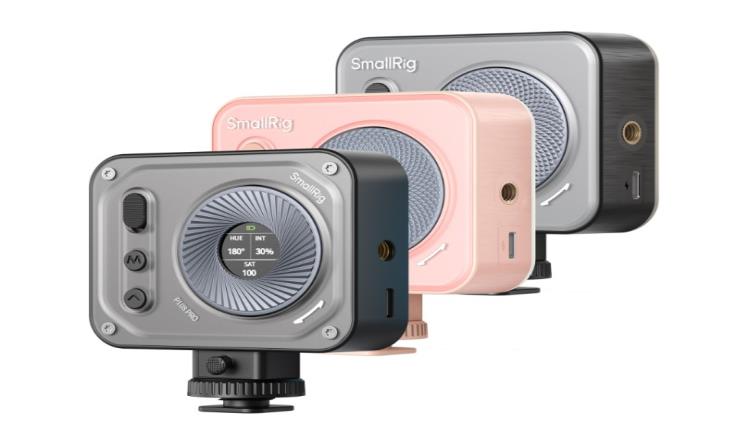
Attach barn doors to your COB lights to flag off unwanted spill and protect your background from contamination. For reflective products, position a large white reflector opposite your key light to gently fill shadows without introducing a second hard source that creates competing highlights. When shooting glass or metal, add a honeycomb grid to your COB to tighten the beam further, giving you surgical control over reflections. Diffusion works differently with COB lights than panels—because the source is small and intense, placing diffusion material close creates a larger apparent source, softening shadows while maintaining the output power that lets you shoot at optimal apertures. Many photographers also use adjustable mounting systems from manufacturers like SmallRig to position their lights and modifiers with precision, ensuring repeatable results across multiple product shots.
Making Your Lighting Investment Count
Choosing the right camera light no longer needs to feel overwhelming. Your path forward starts with grasping the core technologies—understanding how COB lights deliver focused, powerful output for precision work, and why high-CRI LEDs above 95 ensure color accuracy that survives client scrutiny. From there, align your choice with how you actually shoot: portrait photographers need soft, adaptable sources in a versatile film lighting kit, product shooters require the surgical control only COB lights provide, and video professionals demand flicker-free, silent operation with adjustable color temperature. Validate every option against concrete specifications—CRI and TLCI scores, true output power, smooth dimming capability, and the modularity that lets your kit evolve as your skills expand. The right lighting investment isn’t about owning the most expensive gear or the latest technology. It’s about selecting tools that solve your specific creative challenges, deliver consistent professional results across every project, and grow alongside your ambitions. Armed with this framework, you now possess the clarity to cut through marketing claims and invest confidently in lighting that will transform your work from competent to compelling, shoot after shoot.