
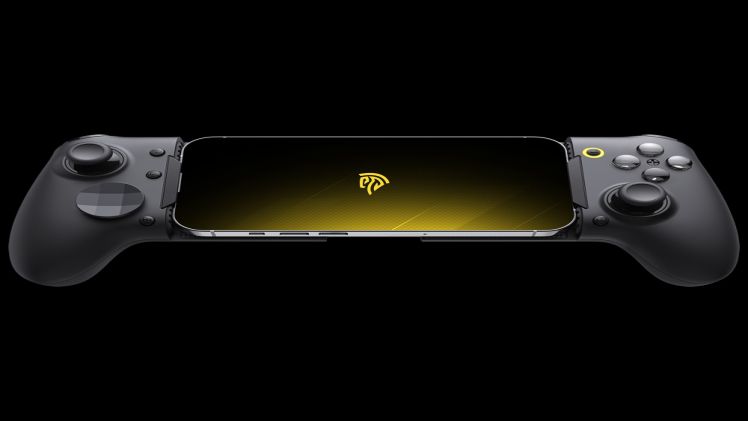
You’re halfway through an intense gaming session on your PC when you notice your controller’s left stick drifting slightly. You grab another controller—one you normally use with your Nintendo Switch—and plug it in, only to find that half the buttons aren’t registering correctly. Sound familiar? This frustrating scenario plays out for countless gamers who switch between platforms, and it highlights exactly why a joypad tester has become an essential tool in any gamer’s toolkit. But here’s the real question: is your joypad tester actually capable of diagnosing controller issues across all the platforms you play on?
What is a Joypad Tester and Why Does Multiplatform Compatibility Matter?
A joypad tester is a diagnostic tool—either software-based or hardware-based—that allows you to verify every function of your gaming controller. It maps button presses, measures analog stick precision, checks trigger sensitivity, tests vibration motors, and confirms that your inputs register accurately. Think of it as a health check for your controller, catching issues like stick drift, dead zones, or unresponsive buttons before they ruin your gameplay.
For PC gaming enthusiasts, joypad testers have long been a staple, with built-in Windows utilities and third-party applications offering detailed input visualization. But the gaming landscape has shifted dramatically. Today’s casual gamers rarely stick to a single platform. You might play on your PlayStation in the living room, switch to PC at your desk, and grab a Nintendo Switch for portable sessions—often using the same controller across all three. This rise of multiplatform gaming means your gaming accessories need to be as flexible as your habits. A joypad tester that only recognizes Xbox-style inputs won’t help you diagnose why your controller misbehaves on Switch. True multiplatform compatibility in your testing tools ensures you can confidently identify and resolve issues regardless of where you play, saving time and eliminating guesswork from your troubleshooting process.
The Challenges of Using Controllers Across Different Gaming Platforms
Every gaming platform speaks its own language when it comes to controller communication. PlayStation uses its DualSense protocol with unique touchpad and adaptive trigger data, Xbox relies on XInput for standardized PC integration, Nintendo Switch employs its own proprietary connection method, and mobile devices depend on Bluetooth HID profiles that vary between iOS and Android. When you connect a controller designed for one ecosystem to another, these protocol differences create real problems—buttons map incorrectly, motion controls stop functioning, or the device simply isn’t recognized at all.

These compatibility headaches directly impact your gaming experience in ways that go beyond minor inconvenience. Imagine your trigger registering as a face button, or your analog stick’s full range being cut in half because the receiving platform interprets its signal differently. For casual gamers who just want to pick up and play, these issues can turn a relaxing session into a frustrating technical exercise. The situation becomes even more complex on PC, where different games may use DirectInput, XInput, or Steam Input—each handling controller data differently. This fragmented landscape is precisely why a multiplatform controller paired with a comprehensive joypad tester becomes invaluable. Without proper testing tools that understand each platform’s unique requirements, you’re essentially guessing whether your controller will behave correctly until something goes wrong mid-game.
How to Ensure Your Joypad Tester and Controller are Fully Compatible
Getting your joypad tester to work reliably across every platform you own doesn’t have to be a complicated process. The key is approaching compatibility systematically rather than reacting to problems after they’ve already disrupted your gaming. By taking a few deliberate steps upfront, you can build confidence that your controller will perform exactly as expected whether you’re on PC, console, or mobile.
Step-by-Step Guide to Testing Controller Compatibility
Start by connecting your controller to your PC and opening the built-in Windows Game Controller utility (joy.cpl), which provides a baseline reading of all recognized inputs. Press every button, move both analog sticks through their full range, and test each trigger to confirm everything registers. Next, use a browser-based joypad tester like Gamepad Tester (gamepad-tester.com), which works independently of operating system drivers and can reveal how your controller identifies itself—whether as XInput, DirectInput, or a generic HID device. Note the controller’s reported name and input mapping, as these change depending on which platform mode the controller is operating in. For console testing, navigate to the system’s built-in controller calibration settings: PlayStation offers this under Accessories, Switch provides it under Controllers and Sensors, and Xbox includes it in the Accessories app. On mobile, connect via Bluetooth and use a dedicated gamepad testing app from your device’s app store to verify that all inputs translate correctly over wireless.
Solutions for Achieving Seamless Multiplatform Support
When your joypad tester reveals compatibility gaps, several practical solutions can bridge them. Firmware updates from your controller’s manufacturer frequently add or improve platform support, so check for updates regularly through the official companion app or website. If your controller lacks native support for a specific platform, adapters like the 8BitDo USB Wireless Adapter or Mayflash Magic-NS can translate signals between protocols, making a PlayStation controller speak Xbox language or enabling Switch compatibility for unsupported devices. On PC specifically, Steam’s built-in controller configuration tool acts as a universal translator—it recognizes nearly every controller on the market and lets you remap inputs regardless of the original protocol. For long-term compatibility maintenance, keep your controller’s firmware current, update your operating system’s Bluetooth and USB drivers periodically, and retest after major system updates that might alter how your platform handles controller communication. Building this routine into your setup ensures you catch issues before they interrupt gameplay.

Quiet Operation: Meeting the Needs of Casual Gamers
Beyond compatibility concerns, there’s another factor that casual gamers consistently prioritize but rarely see addressed in controller discussions: noise. If you’ve ever gamed late at night next to a sleeping partner, or played in a shared living space while someone else was on a video call, you know exactly how disruptive loud button clicks and clacky triggers can be. For casual gamers who value a distraction-free environment, quiet operation isn’t a luxury—it’s a fundamental requirement that shapes which controllers they’ll actually enjoy using long-term.
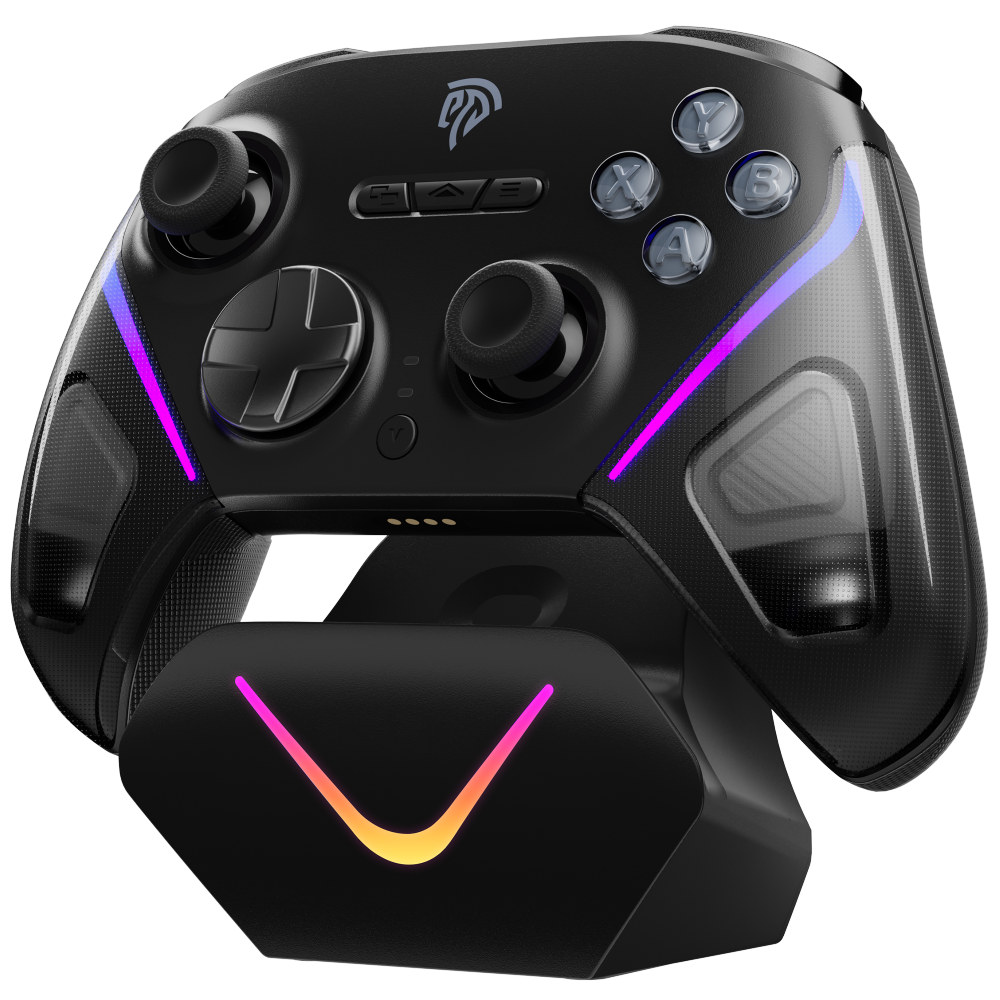
Several design elements contribute to a controller’s acoustic profile. Membrane-style buttons produce significantly less noise than mechanical switches, while dampened triggers with smooth travel eliminate the sharp click at the end of each press. Ergonomic design plays a role too—a controller that fits naturally in your hands reduces the force needed to actuate buttons, which in turn reduces impact noise. Even the analog sticks matter; well-engineered sticks with quality internal components glide silently rather than producing the scratchy, grinding sound found in cheaper alternatives. When you’re testing controllers with your joypad tester, pay attention to the physical experience alongside the digital readout. A controller that passes every input test but sounds like a typewriter during use defeats the purpose of relaxed, immersive gaming. The best options combine verified multiplatform compatibility with near-silent operation, letting you focus entirely on the game itself.
Multiplatform Controllers: What to Look For
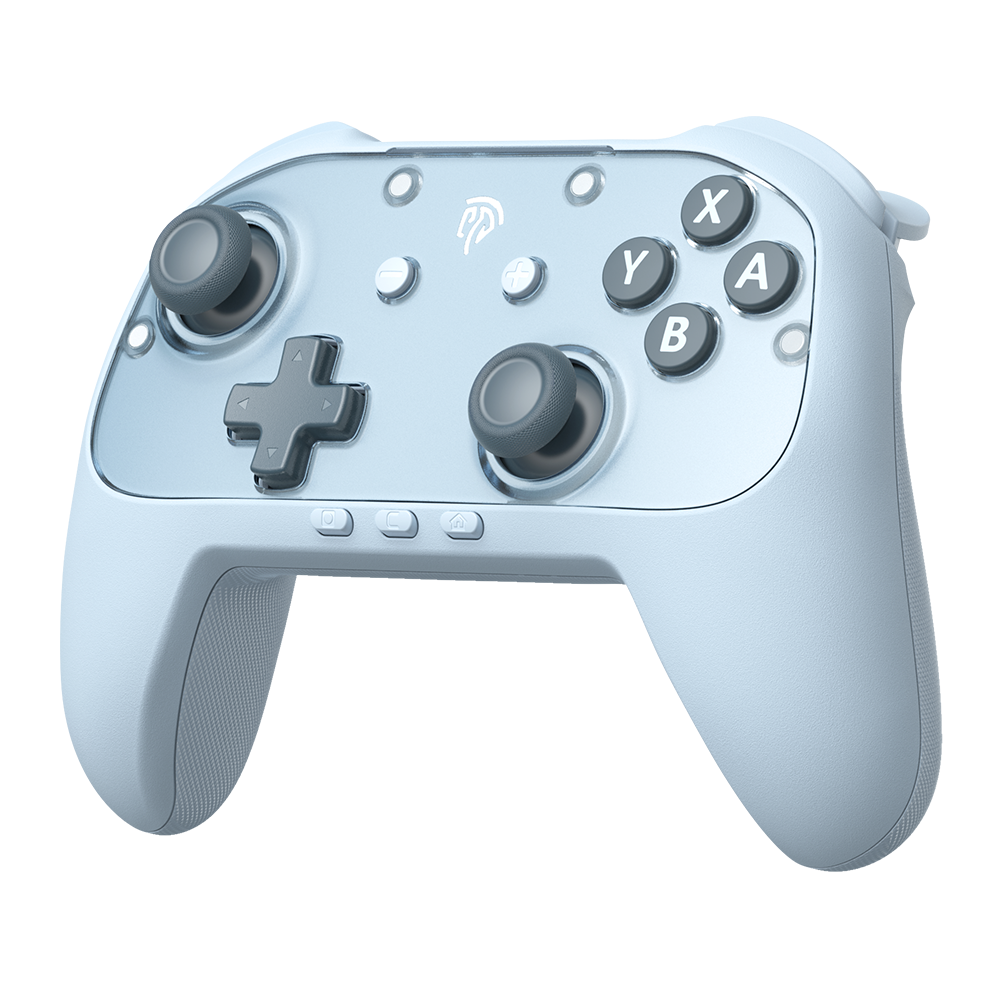
To understand what genuine cross-platform compatibility looks like in practice, consider how modern gaming accessories like EasySMX controllers can simplify the entire testing and setup process. Controllers designed from the ground up to work natively across PC, Nintendo Switch, iOS, and Android devices mean that when you connect one to your joypad tester, it identifies correctly and maps inputs accurately regardless of which platform mode you’re using. This native multiplatform support eliminates the need for third-party adapters or complex driver installations—you switch modes directly on the controller and it communicates using the appropriate protocol for each system.

What makes this particularly relevant for casual gamers is how well-designed multiplatform controllers pair versatility with quiet operation. Features like soft-touch buttons and dampened triggers keep noise to a minimum during late-night sessions or shared-space gaming. When you run such a controller through a joypad tester, every input registers cleanly across all supported platforms without the dead zones or mapping errors that plague controllers forced to work outside their native ecosystem. This kind of purpose-built multiplatform design represents the ideal scenario: a single controller that passes diagnostic tests on every system you own, operates quietly enough for any environment, and requires minimal setup effort. Rather than maintaining a collection of platform-specific controllers and troubleshooting each one individually, a well-designed multiplatform controller streamlines your entire gaming setup into something genuinely effortless.
Building a Reliable Cross-Platform Gaming Setup
A joypad tester is only as useful as its ability to work with the platforms you actually play on. As we’ve explored, cross-platform compatibility isn’t just a nice-to-have feature—it’s essential for any gamer who moves between PC, consoles, and mobile devices. The protocol differences between PlayStation, Xbox, Nintendo Switch, and mobile platforms create real diagnostic challenges, but they’re entirely manageable with the right approach. By using a combination of built-in system tools, browser-based testers, and platform-specific calibration utilities, you can systematically verify that your controller performs correctly everywhere.

For casual gamers who also prioritize a quiet, distraction-free experience, the solution becomes even clearer: invest in a well-designed multiplatform controller that eliminates compatibility headaches from the start while operating silently enough for any environment. Rather than maintaining multiple controllers and troubleshooting each one separately, a single versatile gaming accessory paired with regular joypad testing keeps your setup reliable and your gaming sessions uninterrupted. Take fifteen minutes today to run your current controller through a comprehensive test on each platform you use—you might be surprised by what you find, and now you have the tools and knowledge to fix it.