
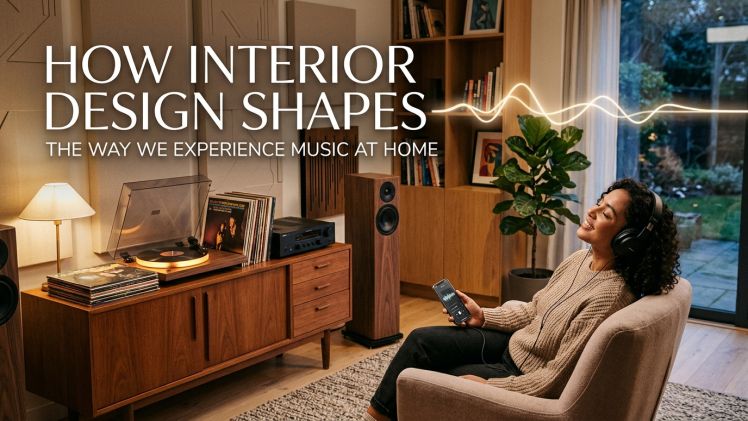
Music has a unique ability to influence our emotions, create memories, and transform ordinary moments into meaningful experiences. Whether it is a relaxing playlist after a long day, an energetic soundtrack during a workout, or a favorite album playing on a quiet Sunday morning, music is an essential part of everyday life. However, the environment in which we listen to music can be just as important as the songs themselves. A thoughtfully designed living space can improve the listening experience, create a welcoming atmosphere, and make everyday entertainment more enjoyable.
As modern lifestyles increasingly revolve around comfort and personalization, homeowners are paying greater attention to how their interiors support their hobbies and interests. Music lovers, in particular, can benefit from combining practical interior design solutions with their passion for sound.
Creating the Perfect Atmosphere for Listening to Music
The atmosphere of a room has a significant influence on how people experience music. Lighting, furniture, colors, and room layout all contribute to the overall feeling of a space. A comfortable living room with warm lighting and carefully selected furniture can become an ideal place to enjoy music, read, or spend time with family.
For those who appreciate music as more than background entertainment, creating a dedicated listening corner can be an excellent idea. It does not necessarily require an entire room. A comfortable armchair, a small table, quality speakers, and appropriate lighting may be enough to establish a personal relaxation area.
The choice of materials also matters. Soft furnishings, curtains, rugs, and upholstered furniture can help reduce unwanted sound reflections, making a room feel more comfortable acoustically. Combining these elements with a balanced layout allows homeowners to create an environment that looks attractive while supporting enjoyable listening sessions.
The Connection Between Architecture and Acoustics
A room’s architecture influences how sound travels and behaves within it. Ceiling height, wall surfaces, windows, and the overall proportions of a space can affect acoustics. Large rooms with hard surfaces, for example, may produce noticeable echoes, while smaller spaces with excessive soft materials can sometimes feel acoustically dull.
This is why acoustic considerations should ideally be included during the planning stage of a renovation or a new home. Speaker placement, furniture arrangement, and the selection of finishing materials can all influence sound quality.
Professional Architektai can help homeowners consider these practical requirements while developing spaces that combine functionality, visual appeal, and architectural consistency. Instead of treating acoustics as an afterthought, integrating them into the design process makes it easier to achieve a comfortable and well-balanced environment.
Modern architecture also encourages flexible living spaces. Open-plan interiors, multifunctional rooms, and carefully planned transitions between different areas allow families to enjoy music without compromising other everyday activities.
Designing a Home That Reflects Your Musical Personality
Every music enthusiast has a different relationship with their favorite sounds. Some people collect vinyl records and appreciate the nostalgic atmosphere of a traditional record player. Others prefer minimalist spaces with wireless speakers and discreet technology. There are also homeowners who enjoy displaying musical instruments as decorative elements.
Interior design offers countless opportunities to reflect these individual preferences.
A vinyl collection, for example, can become an attractive visual feature when displayed on carefully designed shelves. Guitars, keyboards, and other instruments can also become part of the interior aesthetic rather than being hidden away when not in use.
Color selection is another way to express personality. Neutral shades create a calm and timeless background, while darker tones can introduce a more dramatic atmosphere reminiscent of a private music lounge. Natural wood, textured fabrics, and subtle decorative details help bring warmth and character to the space.
Working with experienced interjero dizaineriai can help transform these ideas into a cohesive interior. A professional approach ensures that personal interests are incorporated without making the room feel overcrowded or sacrificing everyday practicality.
Technology and Smart Solutions for Modern Music Lovers
Technology has changed the way people listen to music at home. Streaming platforms, wireless speakers, smart televisions, and multi-room audio systems make it possible to enjoy music throughout the house with minimal effort.
However, technology should complement the interior rather than dominate it. Poorly positioned cables, oversized equipment, and cluttered entertainment units can disrupt an otherwise beautiful room.
Built-in storage, concealed wiring, and carefully planned electrical installations help maintain a clean appearance. Wall-mounted speakers or discreet audio equipment can also be incorporated into contemporary interiors, depending on the homeowner’s preferences and technical requirements.
Smart home solutions offer additional convenience. Homeowners can control lighting, audio systems, and other connected devices through their smartphones or voice assistants. Imagine adjusting the lighting, lowering the blinds, and playing a favorite playlist with a single command. These small conveniences can make everyday living feel more comfortable and personalized.
Lighting Makes Every Listening Experience Better
Lighting is often underestimated when designing entertainment and relaxation areas. Yet it can dramatically influence the mood of a room.
Bright, cool lighting may be suitable for cleaning, working, or reading, while warmer and softer illumination is generally more relaxing. Layered lighting offers the greatest flexibility because it combines general illumination with accent lights, floor lamps, and decorative fixtures.
For a dedicated music corner, adjustable lighting can help create different atmospheres depending on the occasion. Subtle LED lighting behind shelves or around entertainment units can add visual interest without overwhelming the room.
Natural light should also be considered. Well-positioned windows can make a listening area feel more open and inviting during the day, while appropriate window treatments provide privacy and help control incoming light.
A Home Designed Around the Things You Love
A beautiful home should do more than follow current design trends. It should reflect the people who live in it, support their daily routines, and provide spaces where they can enjoy their favorite activities.
Music and interior design share an important quality: both are deeply connected to personal expression. One creates emotional experiences through sound, while the other shapes the physical environment in which those experiences take place.
By combining thoughtful architecture, comfortable furnishings, appropriate acoustics, and modern technology, homeowners can create spaces that make listening to music even more enjoyable.
Ultimately, the best interior is not necessarily the most luxurious or visually impressive one. It is the space that feels natural, welcoming, and personal. When design and music come together, even an ordinary evening at home can become something special.