
You slide into your BMW, fire up the engine, and reach for your phone — only to be reminded that your iDrive system has no idea what Apple CarPlay is. For owners of older BMW models, this disconnect between a premium driving experience and a frustratingly outdated infotainment setup is all too familiar.
Apple CarPlay has fundamentally changed how drivers interact with their vehicles, offering seamless access to navigation, music, messaging, and calls through a familiar iPhone interface. The problem? BMW only began rolling out native CarPlay support in 2017, leaving a significant portion of loyal owners stuck with legacy systems that feel increasingly out of step with modern expectations.
The good news is that retrofitting Apple CarPlay into an older BMW is genuinely possible — but compatibility isn’t a given. Model year, iDrive generation, hardware configuration, and even regional software variants all play a role in determining what’s feasible for your specific car. This article cuts through the confusion, walking tech-savvy BMW drivers through the key compatibility factors, available retrofit solutions, and practical installation guidance to help you make an informed decision and finally bring your driving experience into the connected age.
Understanding BMW Apple CarPlay Compatibility: Key Factors
Apple CarPlay mirrors your iPhone’s interface directly onto your car’s display, giving you hands-free access to Maps, Spotify, Messages, and Siri without fumbling with your phone. For BMW drivers, it represents a meaningful upgrade — but getting there requires understanding some specific technical realities.
BMW began integrating native CarPlay support in 2017 models, initially as a paid subscription feature before eventually making it standard. Vehicles produced before this window — particularly those running iDrive 4 or earlier — were never designed with CarPlay hardware in mind, which is where retrofit complexity begins.
Four factors determine whether a retrofit is viable for your BMW. First, model year sets the baseline — pre-2017 vehicles face more significant hardware gaps. Second, your iDrive generation matters enormously; iDrive 6 systems are far more retrofit-friendly than iDrive 4 units. Third, hardware requirements include a compatible head unit, USB port configuration, and in some cases a specific NBT or EVO control unit. Fourth, regional software variants can affect coding compatibility, particularly for European-spec vehicles brought to other markets.
The most reliable starting point is your VIN. Running it through BMW’s official parts portal or a specialist tool like ETK reveals your exact iDrive hardware generation and installed options. A common misconception is that any BMW from 2015 onward supports CarPlay — it doesn’t. NBT (Next Big Thing) and NBT EVO are the two head unit families that realistically support retrofit solutions, while older CIC-based systems require full head unit replacement rather than a simple module addition.
BMW Retrofit Options: From OEM to Aftermarket Solutions
When it comes to adding CarPlay to an older BMW, you’re essentially choosing between two paths: going through BMW’s official channels or sourcing a third-party solution. Each has genuine merit depending on your model, budget, and tolerance for complexity.
BMW’s OEM retrofit program offers the cleanest integration. Available through authorized dealers, it typically applies to vehicles running NBT EVO systems and involves a software unlock combined with a hardware module installation. The result is indistinguishable from factory-fitted CarPlay, with full steering wheel control support and seamless iDrive menu integration. The downside is cost and availability — not every model qualifies, and dealer pricing reflects that premium positioning.
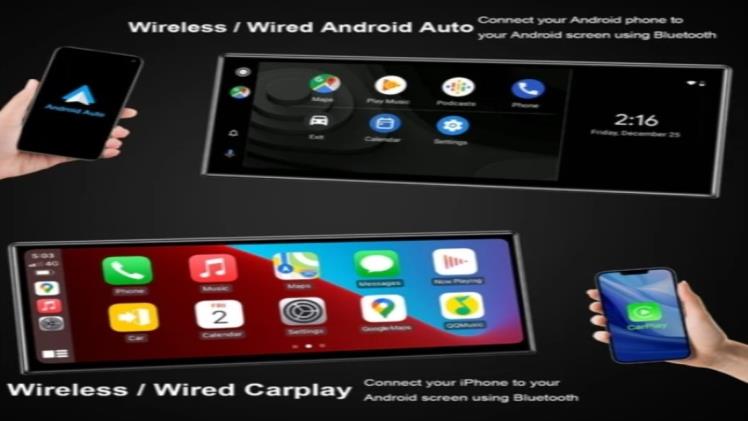
Aftermarket retrofit kits fill the gap for vehicles outside the OEM program’s scope. Brands like Bimmertech, Fiscon, and BimmerTech’s AIO SmartConnect have built strong reputations for producing plug-and-play modules that interface directly with existing NBT or NBT EVO head units. These kits typically connect via the OBD port or directly behind the head unit, requiring minimal disassembly. Reliability has improved substantially over the past few years, with most reputable kits now supporting wireless CarPlay alongside wired connections.
For owners looking to simultaneously upgrade their display quality alongside CarPlay functionality, PEMP Car Audio screens offer an additional layer of enhancement worth considering alongside either retrofit approach.
Evaluating PEMP Screens for Enhanced Display
PEMP (Plug-and-Play Enhanced Multi-touch Panel) screens are replacement displays designed to slot into existing BMW dashboard openings while delivering sharper resolution and touch input. For CarPlay retrofits, they’re particularly valuable on older NBT systems where the original screen feels noticeably dated. Compatibility varies — most PEMP units target the 6.5-inch and 8.8-inch iDrive display formats common across 3 Series, 5 Series, and X-model BMWs from 2013 onward. Installation involves swapping the display panel and routing a digitizer cable to the head unit, making it a natural pairing with any module-based CarPlay retrofit.
Step-by-Step CarPlay Installation Guide for DIY Enthusiasts
Installing a CarPlay retrofit yourself is achievable if you’re comfortable with basic automotive electronics, but it demands methodical preparation. Rushing any stage risks damaging your iDrive system or triggering fault codes that require dealer-level tools to clear.
Before touching anything, gather your essentials: a trim removal toolkit, a T20 Torx screwdriver, a multimeter, a laptop with BMW coding software (ISTA or BimmerCode), and your specific retrofit module with its wiring harness. Confirm your iDrive generation one final time using your VIN, and download any firmware updates for the module beforehand.
Pre-installation checks matter more than most guides admit. Connect a battery maintainer to prevent voltage drops during the process — iDrive systems are sensitive to power interruptions and can corrupt configuration data if power fluctuates. Back up your current iDrive settings if your coding software supports it.
The installation sequence typically follows four stages. First, carefully remove the dashboard trim panels surrounding the head unit using plastic pry tools to avoid scratching. Second, slide out the head unit partially to access the rear connector block. Third, connect the retrofit module’s harness inline with the existing USB or LVDS connection, following your kit’s specific wiring diagram precisely. Fourth, reassemble the trim and proceed to coding — this step activates CarPlay within the iDrive software and is non-negotiable for full functionality.
Two pitfalls catch most first-timers: skipping the coding step entirely and assuming the module works plug-and-play, and misidentifying connector types on pre-facelift versus post-facelift head units. Always cross-reference your car’s production date, not just model year, against the kit’s compatibility chart before purchasing.
Ensuring Compatibility with Existing Car Systems
A successful CarPlay installation doesn’t end when the module is connected — the real test is how well it plays with everything else your BMW already does. Integration issues tend to surface in three areas: software versioning, control inputs, and audio routing.
Start by verifying that your iDrive software is on the latest available version for your head unit generation. Outdated firmware is the single most common cause of CarPlay instability, including random disconnections and laggy screen response. Use ISTA or your dealer’s diagnostic system to check and apply any pending updates before concluding the installation is complete.
Steering wheel control compatibility deserves specific attention. Most reputable retrofit modules support BMW’s multi-function steering wheel natively, but you’ll need to confirm this during the coding stage. If controls feel unresponsive or trigger incorrect functions, revisit the module’s button mapping configuration rather than assuming a hardware fault.
Audio system harmony is another consideration, particularly for BMWs equipped with Harman Kardon or Bang & Olufsen systems. These setups use DSP amplifiers that process audio differently, and some retrofit kits require an additional adapter to maintain sound quality through CarPlay.
It’s also worth noting that many aftermarket modules support Android Auto alongside CarPlay, giving non-iPhone users in your household the same functionality. If post-installation lag persists despite firmware updates, try switching from wireless to wired CarPlay — it eliminates Bluetooth bandwidth as a variable and often resolves the issue immediately.
Cost Analysis and Professional vs. DIY Retrofit
Understanding the financial picture before committing to a CarPlay retrofit helps you avoid unexpected expenses and choose the right approach for your situation. Costs break down across two categories: parts and labor, with significant variation depending on the route you take.
Aftermarket retrofit kits from reputable brands typically represent the largest single expense, with PEMP Car Audio screen upgrades adding to the total if you’re pursuing a display refresh simultaneously. Professional installation at a BMW specialist or authorized dealer adds labor charges on top of parts, but that premium buys you something tangible — warranty coverage on the work, access to dealer-level coding tools, and accountability if something goes wrong. For complex installations involving pre-facelift head units or DSP audio systems, professional help often pays for itself by avoiding costly mistakes.
DIY installation eliminates labor costs entirely, making it appealing for owners comfortable with automotive electronics. The realistic savings are meaningful, but they come with trade-offs: any wiring errors or coding missteps fall entirely on you, and resolving them may ultimately require professional intervention anyway. A middle-ground approach works well for many owners — purchase the kit independently to save on parts markup, then pay a specialist solely for the coding stage, which is where most DIY attempts stall.
Long-term, a properly executed retrofit delivers genuine returns. It enhances daily usability, keeps your BMW competitive with newer vehicles, and can positively influence resale value for buyers who prioritize connected technology — making the upfront investment worthwhile for most owners planning to keep their car for several more years.
Making the Right Retrofit Decision for Your BMW
Retrofitting Apple CarPlay into an older BMW is far more achievable than most owners realize — but success depends entirely on doing your homework upfront. Compatibility isn’t universal. Your iDrive generation, head unit family, production date, and regional software variant all shape what’s possible, and assuming otherwise is where most retrofit projects run into trouble.
The good news is that genuine options exist across the spectrum. BMW’s OEM program delivers factory-quality integration for eligible vehicles, while reputable aftermarket kits have matured to the point where wireless CarPlay is now a realistic expectation rather than a bonus feature. Pairing either approach with a PEMP screen upgrade can transform an aging interior into something that genuinely rivals current models.
Before spending anything, pull your VIN, confirm your iDrive generation, and cross-reference it against your chosen kit’s compatibility list. If the installation involves pre-facelift head units, DSP audio, or anything beyond a straightforward NBT module swap, seriously consider professional coding support — the investment is modest compared to the cost of resolving a botched installation.
Ultimately, a well-executed CarPlay retrofit extends the useful life of your BMW considerably. As in-car connectivity continues to define the driving experience, closing that gap between your vehicle’s hardware and your digital life isn’t just a convenience upgrade — it’s a practical decision that pays dividends every time you get behind the wheel.