
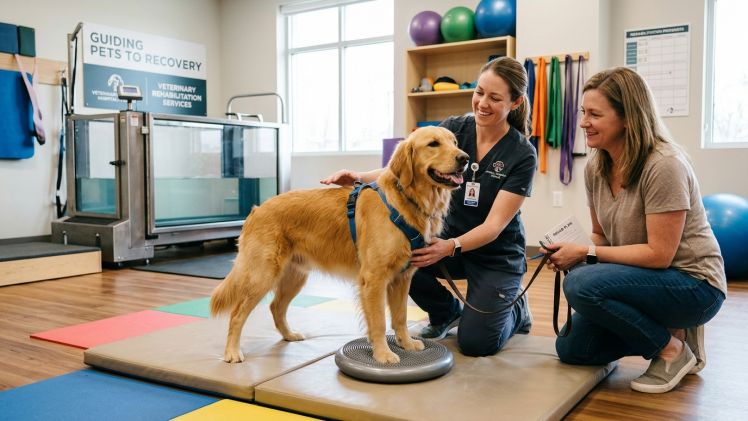
It usually starts with a limp, a surgery date, or the kind of diagnosis that makes your stomach drop before you even finish hearing the full sentence. Your pet comes home sore, slower, or unsteady, and suddenly your daily routine changes. You are counting steps, watching for signs of pain, and wondering whether you are doing enough or doing something wrong. That stress is real. Recovery is rarely just about rest. Many pets need structure, therapy, and close follow up to regain strength, comfort, and confidence, and working with an animal hospital in Bartlett can provide the support they need.
How animal hospitals guide pet owners through rehabilitation comes down to a few things done well. They assess what your pet can do right now, build a plan around the injury or condition, teach you what to do at home, and adjust treatment as your pet improves or struggles. Good rehab care is not a luxury add on. It is often the difference between a pet who simply heals and a pet who returns to a fuller life.
Animal hospital rehabilitation gives recovery a clear path
After surgery or injury, many owners expect healing to follow a straight line. It rarely does. A dog recovering from a cruciate repair may seem better one week and stiff the next. A cat with a neurologic injury may tolerate handling one day and resist it the next. Pain, muscle loss, fear, and overactivity all affect progress. Without guidance, the home routine can swing between too much and too little.
This is where pet rehabilitation support becomes practical, not abstract. An animal hospital starts with an exam that looks beyond the original diagnosis. Range of motion, gait, balance, pain response, weight bearing, and muscle condition all matter. The team may include veterinarians, rehabilitation therapists, technicians, and surgeons working from the same record. That coordination matters when your pet’s treatment plan needs to change fast.
University veterinary programs show how broad this care can be. Ohio State’s canine sports medicine and physical rehabilitation service highlights therapies such as underwater treadmill work, therapeutic exercise, and pain management for dogs recovering from injury or surgery. The University of Minnesota’s veterinary rehabilitation service describes plans built for neurologic, orthopedic, and chronic pain cases. NC State’s small animal rehabilitation program shows how rehab can help restore mobility, function, and comfort in both routine and complex cases.
That structure helps because recovery at home can get messy. Your dog feels a little better and bolts after a squirrel. Your older pet slips on the kitchen floor. Your cat hides under the bed and skips a session of prescribed movement. Small setbacks can undo days of progress. Animal hospitals guide you through those moments with restrictions that make sense, exercises that fit your pet’s limits, and checkpoints that catch trouble early.
Physical rehabilitation for pets addresses more than the injury
The physical issue is only one part of the problem. Pain changes behavior. Limited movement leads to muscle loss fast. Weight gain can follow within weeks if activity drops and feeding stays the same. Anxiety builds when a pet cannot move normally or when handling starts to hurt. Owners feel that pressure too, especially when every whine or stumble feels loaded with meaning.
A strong animal hospital rehabilitation plan accounts for the whole picture. That may include pain control, laser therapy, stretching, balance work, home exercise programs, mobility aids, and guidance on safe surfaces, crate rest, and leash walks. Some pets need hydrotherapy. Others need simple, controlled exercises done well and done consistently.
What if your pet is older and already had arthritis before the injury? Rehab may focus less on returning to peak performance and more on safer movement, less pain, and preserving independence. What if your dog is young, active, and impatient? The plan may lean harder on controlled conditioning so healing tissue is protected while strength returns. The point is not to force every pet through the same protocol. The point is to match treatment to the pet in front of you.
Home care and professional rehab each have a place
Most owners are part of the rehab team whether they planned to be or not. Home care matters because progress depends on repetition. Professional care matters because technique, timing, and monitoring affect safety and results.
| Approach | What It Helps With | Main Limits | Best Use |
|---|---|---|---|
| Home exercise only | Daily consistency, comfort in familiar surroundings, lower immediate cost | Higher risk of doing exercises incorrectly, harder to judge pain or overuse, no specialized equipment | Pets with mild restrictions and owners who have clear veterinary instructions |
| Professional rehab sessions | Skilled assessment, targeted therapy, equipment like underwater treadmills, closer progress tracking | Higher cost, travel time, scheduling demands | Post surgical recovery, neurologic cases, chronic pain, slow or uneven healing |
| Combined home and hospital plan | Best balance of supervision and repetition, adjustments based on response, stronger owner confidence | Requires follow through and communication | Most pets needing structured veterinary rehab care |
The combined approach is often where the best progress happens. You get the benefit of trained eyes in the clinic and the steady reinforcement of short home sessions. That is how many pets rebuild strength without being pushed past what healing tissue can handle.
Small steps at home shape better rehabilitation outcomes
Get a written recovery plan. Ask for specifics. You need to know how long walks should be, what surfaces are safe, how to lift or support your pet, which signs mean stop, and when to call. “Take it easy” is too vague when your pet’s recovery is on the line.
Track changes every few days. Write down appetite, bathroom habits, energy, limping, stiffness, and how your pet handles each exercise. Videos help. A ten second clip of your dog walking is often more useful at a recheck than a stressed memory of a bad morning.
Set up the house for healing. Put down rugs on slick floors. Block stairs if needed. Keep food, water, and bedding easy to reach. Use ramps or slings if your veterinary team recommends them. A good rehab plan can fail in a home that keeps forcing painful movements.
Guided rehabilitation helps you and your pet feel steadier
You do not need to figure out recovery by guesswork. Animal hospitals guide pet owners through rehabilitation by turning a stressful, uncertain stretch into a plan you can follow. They help you understand what healing should look like, what setbacks mean, and how to support your pet day by day without adding harm.
If your pet is recovering from surgery, injury, arthritis, or a neurologic condition, ask your animal hospital about rehabilitation services and home therapy guidance. Clear support early can make recovery smoother, safer, and less overwhelming for both of you.