
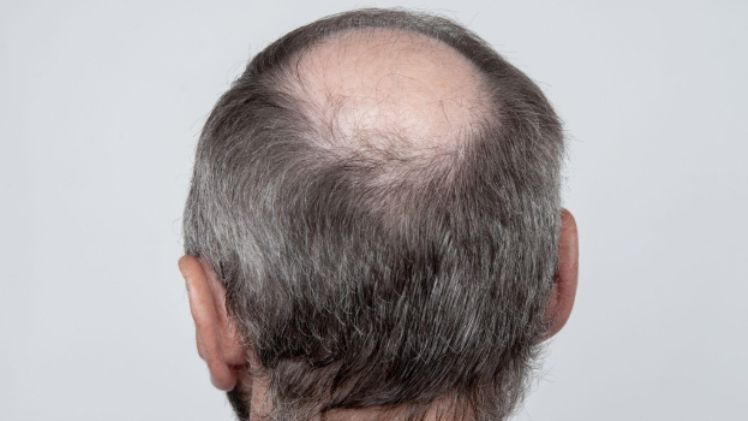
Hair loss can affect confidence, and many people explore a hair transplant when they want a longer-term way to restore hair density. Because the procedure involves a medical team, a treatment plan, and a recovery period, it helps to understand each step before you commit.
Knowing how the procedure works, which techniques are available, and what affects the cost can help you ask better questions and make a more informed decision.
- What Is a Hair Transplant and How Does It Work?
- Which Hair Transplant Techniques Are Available?
- What Should You Expect Before, During, and After the Procedure?
- How Much Does a Hair Transplant Cost?
- How Can You Decide If a Hair Transplant Is Right for You?
What Is a Hair Transplant and How Does It Work?
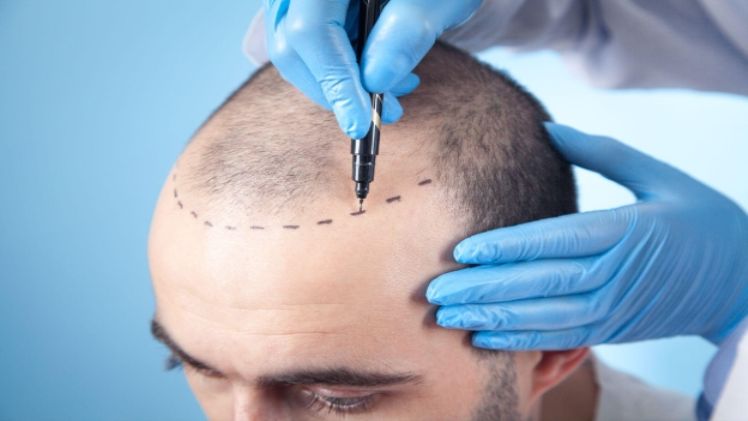
A hair transplant is a surgical procedure that moves hair follicles from a donor area, usually the back or sides of the scalp, to areas affected by hair loss. The transplanted follicles are placed in small incisions so that hair can grow in the treated area over time.
The process usually begins with a consultation and scalp assessment. The medical team evaluates your hair loss pattern, donor hair, scalp condition, and the number of grafts needed before recommending a treatment plan that suits your situation.
Which Hair Transplant Techniques Are Available?
Common techniques include Follicular Unit Extraction (FUE) and Direct Hair Implantation (DHI). FUE involves extracting individual hair follicles from the donor area and placing them into areas affected by hair loss. DHI also uses individual grafts but follows a different implantation method.
The most suitable technique depends on your condition and treatment goals. Factors such as the size of the treatment area, the number of grafts, and the condition of your donor hair are reviewed during the consultation before a technique is recommended.
What Should You Expect Before, During, and After the Procedure?
On the day of treatment, the procedure is usually carried out under local anesthesia, and the time needed depends on the technique and the number of grafts. Before the procedure, the clinic may ask for pre-operative tests, if required, and give you instructions to follow.
- Follow the clinic’s aftercare instructions for proper healing
- Avoid strenuous exercise and direct sun exposure during the early stage of recovery
- Use the medication and scalp care supplies as advised
- Attend scheduled follow-up appointments
Temporary hair shedding can occur after a transplant, and new hair growth takes time. Results develop gradually, so patience and regular follow-up with your medical team are part of the process.
How Much Does a Hair Transplant Cost?
The cost varies depending on the number of grafts, technique, clinic, and services included. In Thailand, as a general guide, FUE procedures may range from around THB 80,000 to THB 105,000, while DHI procedures can cost approximately THB 100,000 to THB 140,000. Larger procedures requiring more grafts may have a higher total cost.
When comparing quotes, check what each price covers, such as the consultation, local anesthesia, medication, scalp care supplies, follow-up appointments, and any additional treatments like PRP. Asking for an itemized breakdown makes it easier to compare options accurately, and travel-related services such as airport transfers or hotel arrangements are best reviewed separately.
How Can You Decide If a Hair Transplant Is Right for You?
The decision starts with an honest assessment of your hair loss, your goals, and your expectations for recovery. Before choosing a clinic, consider asking who will perform the procedure, how many grafts are recommended, which technique suits you, what the price includes, and whether any additional costs may apply.
To sum up, a hair transplant is a medical decision that deserves careful planning. Take the time to attend a consultation, compare clear and itemized information, and choose the option that fits your individual needs and expectations.